

How to reach Dharamkot, Himachal Pradesh
Updated 30 Sept 2026
There is no direct way to Dharamkot. You get to McLeodganj first, then cover the last 2 km on foot or by taxi — and the road gives out before the village does.
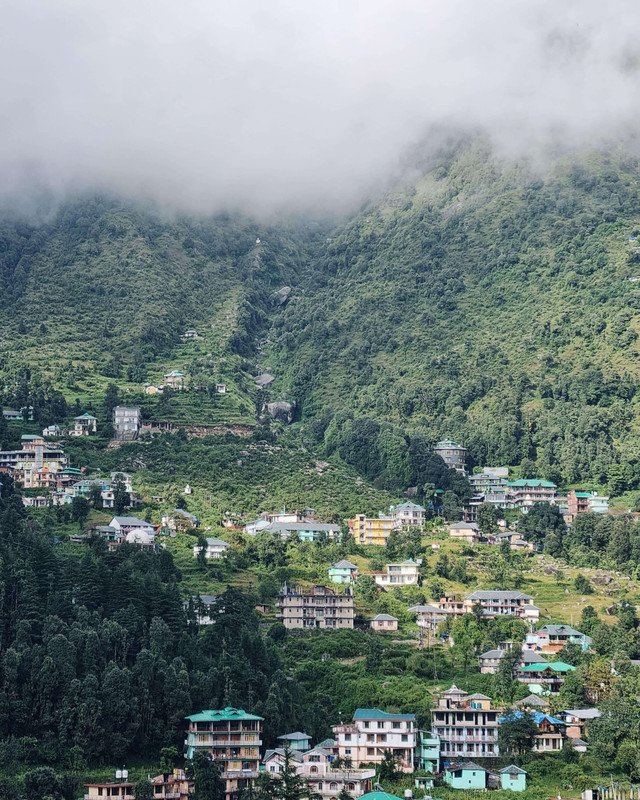
You are trying to get to Dharamkot and have discovered that nothing goes there. No bus route, no airport transfer, no train. Dharamkot has no direct anything, which is a large part of why people like it.
Every journey here is a journey to McLeodganj followed by a short, steep last leg. This page covers both in brief. How to reach McLeodganj has the long-distance part in full, and McLeodganj to Dharamkot has the 2 km that actually catches people out.
Dharamkot is a forest village about 2 km above McLeodganj, on the Dhauladhar slope in Kangra district, a little higher and a lot quieter than the town below it.
Dharamkot at a glance
- Distance from McLeodganj: 2 km — a 20 to 45 minute uphill walk, or 10–15 minutes by taxi for around ₹150.
- Distance from Dharamshala: about 8 km, via McLeodganj.
- Elevation: about 2,100 m, a little above McLeodganj.
- Nearest airport: Kangra Airport at Gaggal (DHM), about 20 km.
- Nearest railway station: Pathankot, about 90 km and 2.5–3 hours by road.
- Direct bus, train or transfer: none — every route goes through McLeodganj.
Getting to McLeodganj first
By air, fly into Kangra Airport at Gaggal (code DHM) from Delhi or Chandigarh on IndiGo or SpiceJet, about 1.5 hours from Delhi. Expect fog-related cancellations, so book a morning flight and leave slack.
By bus, take the overnight service from Delhi's ISBT Kashmere Gate or Majnu ka Tilla, leaving roughly between 19:00 and 22:00 and running 11–14 hours; some services come all the way up to McLeodganj, and those are the ones to book. Seats are booked online — redBus is the app most people in India use, and FlixBus runs the route too; both issue an e-ticket you show on your phone, so there is no counter to find.
By rail, Pathankot is the nearest station, about 90 km out and 2.5–3 hours by road. By train to McLeodganj and Dharamshala has the stations, the trains and the last leg.
Driving yourself is roughly 500 km and 10–12 hours from Delhi, after which the last 2 km will feel like a personal remark.
The full detail on each of those, including alternate airports and fares, is in the McLeodganj guide.
The last 2 km
From McLeodganj, Dharamkot is 20 to 45 minutes uphill on foot, or 10–15 minutes by taxi for around ₹150. There is no bus. The road ends before the village does, so a stay in upper Dharamkot is a further 10–15 minutes on foot whichever you choose.
McLeodganj to Dharamkot has the rest: where the taxis wait, where exactly the road ends, what to do with a heavy bag, and whether to walk it after dark.
From the other towns
McLeodganj is 2 km below. Walk or take a short taxi, as above.
Dharamshala is about 8 km in total: 6 km up to McLeodganj by local bus or taxi, then the last stretch. See How to reach Dharamshala.
Bir is 65–70 km east, 2.5–3 hours via Palampur and Baijnath. There is no direct bus from McLeodganj; connect via Dharamshala or Palampur, or take a taxi for roughly ₹2,000–2,300. Details are in How to reach Bir.
Good to know
Dharamkot is landslide-prone in the monsoon. From late June to mid-September, the access road can close and the footpaths turn slick. Journeys take longer than the numbers here and plans need slack.
No Ola or Uber operates in this corridor. Local taxi unions run everything — agree the fare before you get in, because quotes for the same short hop vary two- or three-fold.
Money: carry cash, because UPI mostly won't work for you. India runs on UPI — the QR-code payment system on every café counter and taxi dashboard — but it needs an Indian bank account, so a foreign card or phone gets nowhere with it. (NPCI's "UPI One World" prepaid wallet for tourists can be set up at Delhi airport on arrival with passport and visa; the rollout is patchy, so treat it as a bonus rather than a plan.) Cards work at larger hotels and some cafés; most homestays, taxis and small eateries want cash. Dharamkot has no ATM; the nearest are in McLeodganj, 2 km below.
Phone: buy a SIM in the Delhi airport arrivals hall. Airtel and Jio both have counters there; a tourist SIM needs your passport, visa and a photo, and activation can take a few hours, so do it before you leave the airport. Both networks cover the corridor's towns. Signal thins in the upper village. An international eSIM gives you data but no Indian number, which some bookings and one-time passcodes ask for.
Taxis at Kangra Airport work to union rates. Cars wait outside arrivals at Gaggal; expect roughly ₹800 to Rakkar, ₹1,200–1,400 to Dharamshala, ₹1,800–2,000 to McLeodganj and around ₹3,000–3,600 to Bir — confirm the fare before the bags go in. There is no ride-hailing here. Pre-arranging a pickup through your stay is normal and usually costs the same.
Getting from Delhi airport to the bus. Uber and Ola work in Delhi (they stop at the hills) and there is a prepaid taxi counter in arrivals. By metro, the Airport Express line runs from Terminal 3 to New Delhi station; change to the Yellow line for Kashmere Gate (ISBT is at the station) or Vidhan Sabha (a short auto-rickshaw ride to Majnu ka Tilla). Allow 1.5–2 hours across the city in the evening.
Overnight buses arrive early in the morning, often before check-in and well before you want to be walking uphill with a bag. Book the first night ahead and tell your stay you will be in early.
Winters bring ice. Dharamkot sits higher than McLeodganj, and in January and February the last stretch — road and footpath both — can be genuinely slippery. Shoes with grip are not optional in those months.
The short version
- Get to McLeodganj first, ideally on an overnight bus that terminates there.
- The last 2 km is a 20–45 minute walk or a ₹150 taxi, and the road ends before the village does.
- Ask your stay how far past the road head they are, and pack for carrying, not rolling.
- No ATM in Dharamkot, so withdraw in McLeodganj on the way up.
Once you are here, see what's on in Dharamkot this week, or read the guides to McLeodganj, Dharamshala and Bir.
Happening this week in Dharamkot




Explore the towns in this guide
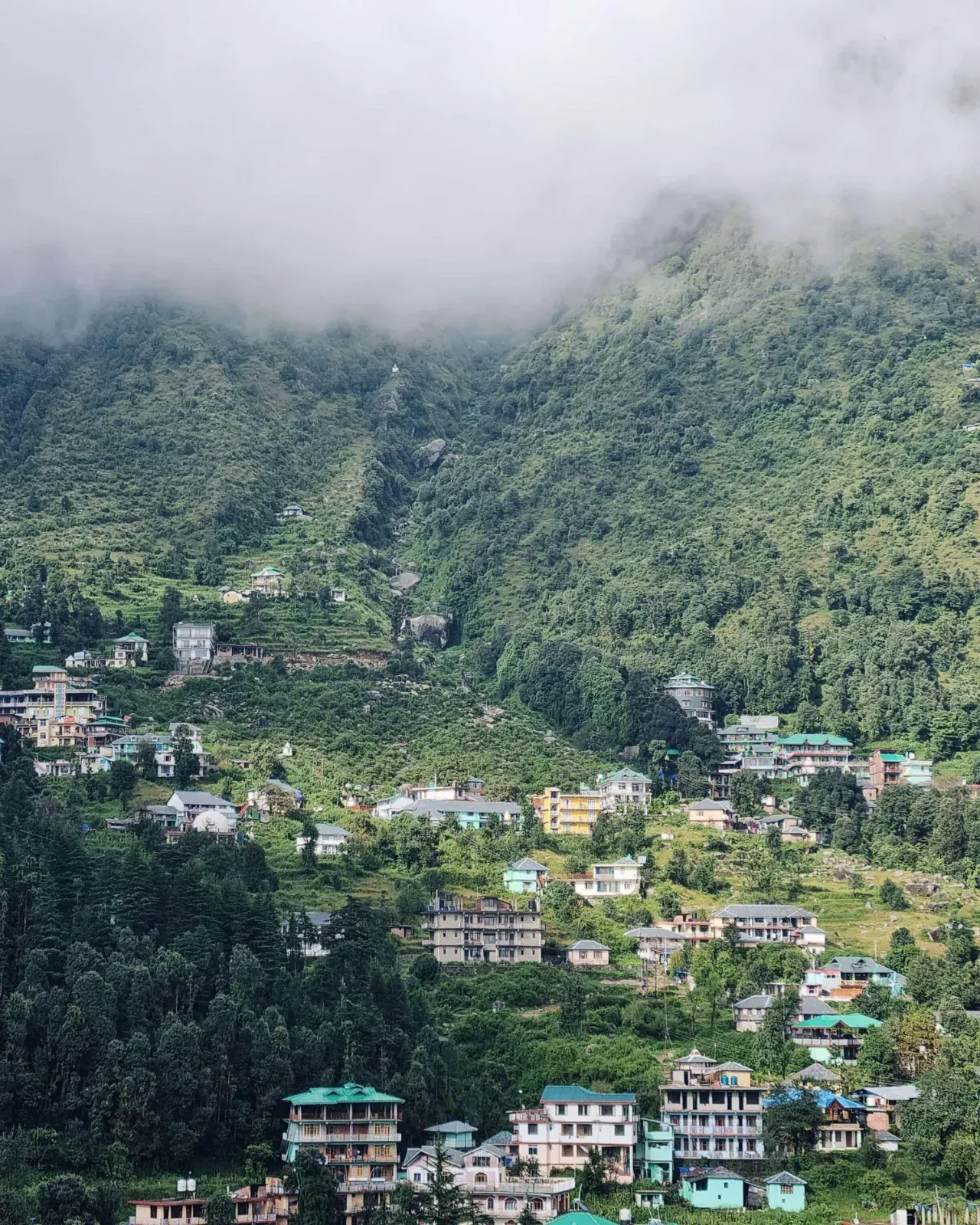
Plan the rest of your trip
Travel details and local guides for the next part of your journey.
.jpg)
Things to Do in Dharamkot in October 2026: Triund, Bhagsu and Tushita
Triund, Bhagsu and a morning at Tushita come first. Then the quieter trails, and the classes and evenings listed in Dharamkot this October.
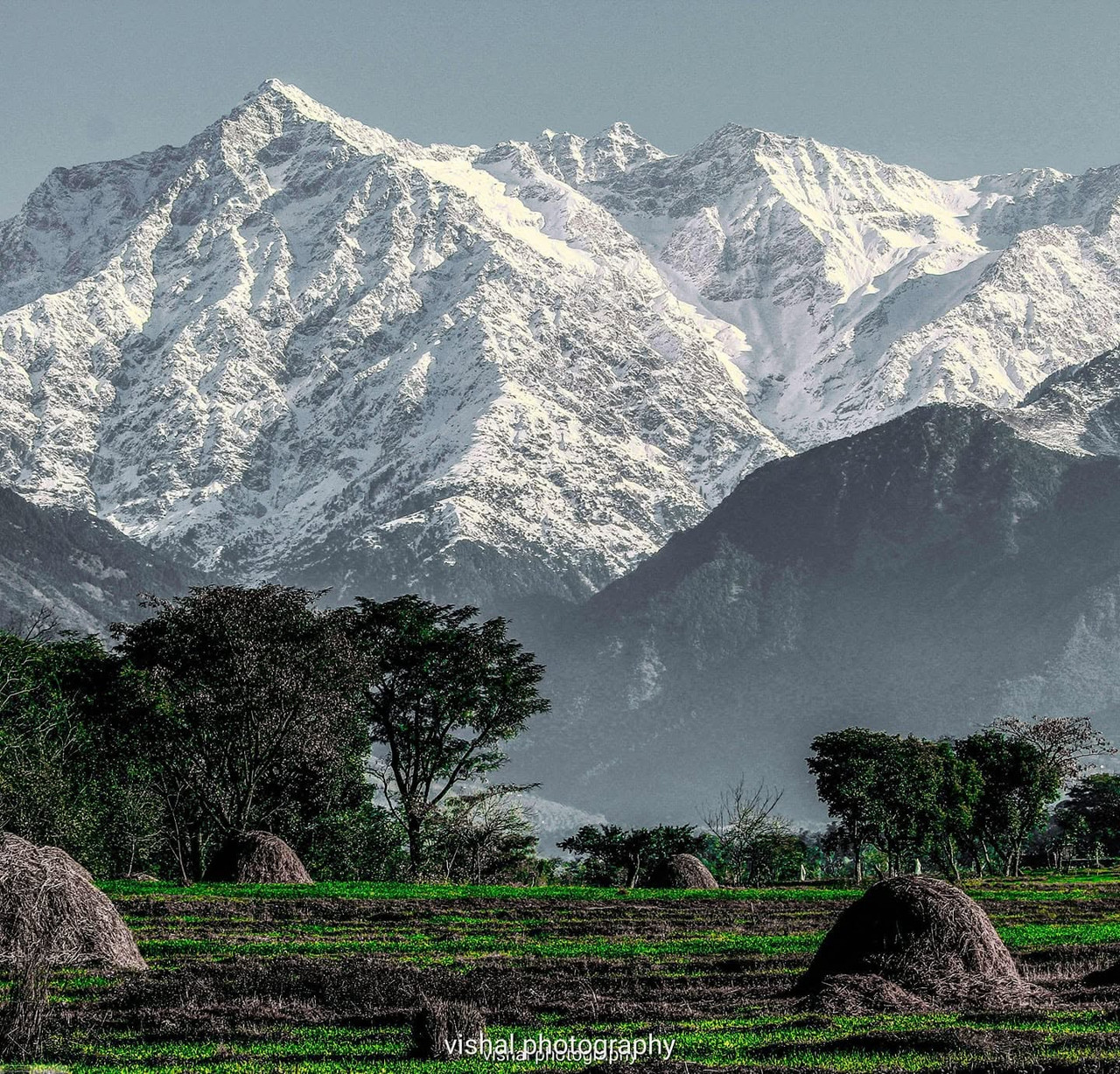
Festivals and annual events in the Dhauladhar, month by month
Losar, Tibetan opera in spring, the Dalai Lama's birthday on 6 July, Bir's flying season and DIFF in autumn. The Dhauladhar year, with fixed dates and moving programmes kept distinct.
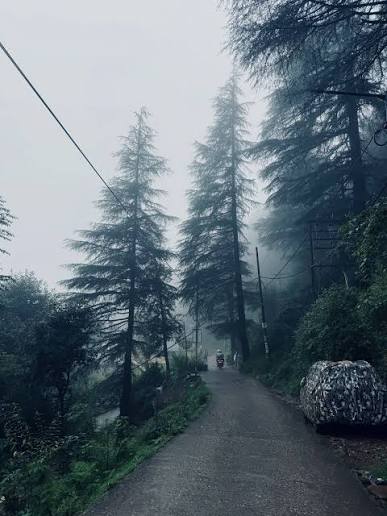
McLeodganj to Dharamkot: the last 2 km
Dharamkot is 2 km above McLeodganj: a 20–45 minute walk uphill, or 10–15 minutes and about ₹150 by taxi. The road ends before the village does, and that is the part worth knowing before you arrive.