

How to reach Bir, Himachal Pradesh
Updated 15 Sept 2026
Getting to Bir is straightforward. Knowing where to get off is the part that trips people up — "Bir Road" is a highway junction, not the town, and the place you actually want is Chaugan.
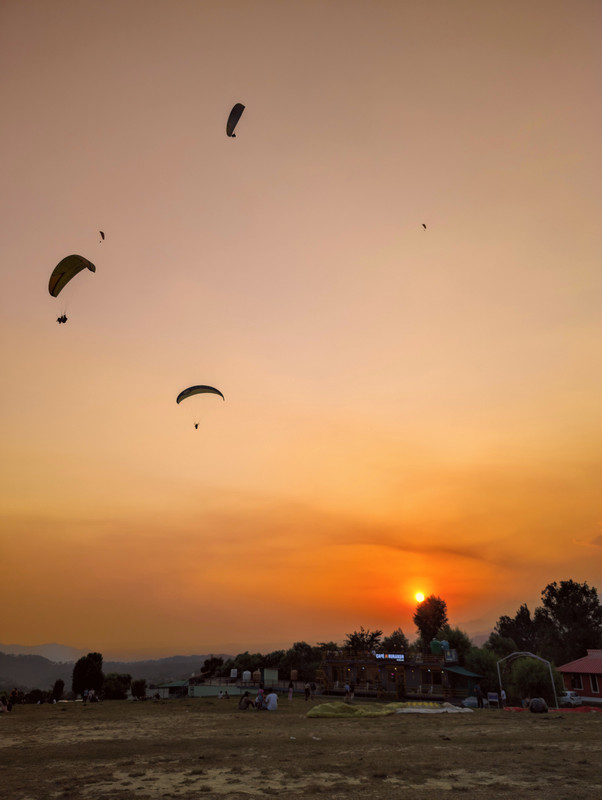
You are heading for Bir, quite possibly to jump off a hill under a wing, and you want to know how to get there and, more usefully, where to get off. The journey is straightforward. The arrival is where people go wrong.
The short answer is the direct overnight bus from Delhi. Direct services do exist, whatever other guides tell you, and they cost a fraction of flying. Get off at Chaugan.
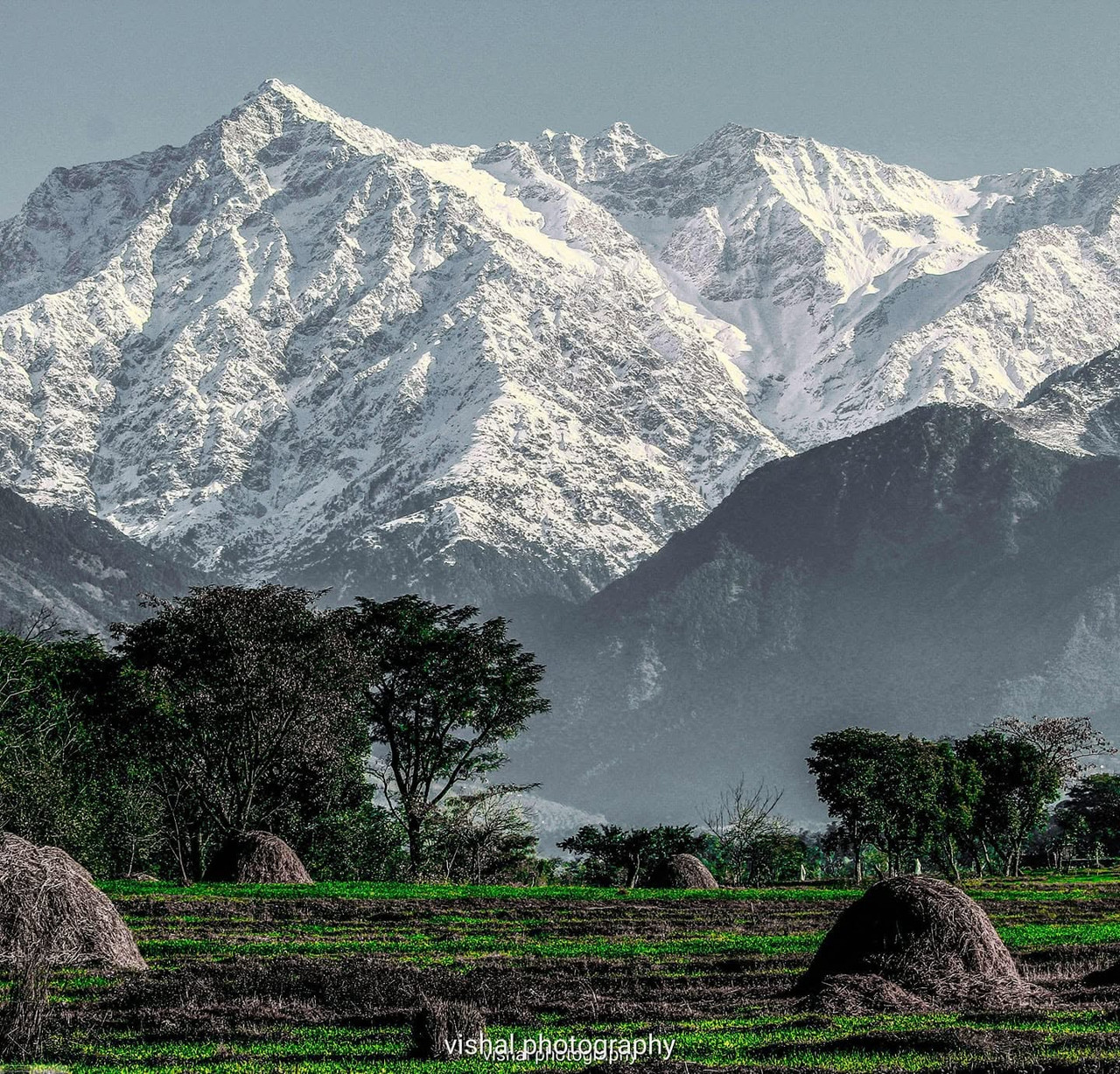
Bir sits in the Kangra valley below the Dhauladhar, about 65–70 km east of Dharamshala and roughly 500 km from Delhi. The complication is not the distance but the name: there are three places with a claim to it, and only one of them is where you are going.
Bir at a glance
- Distance from Delhi: about 500 km — 11–14 hours by direct overnight bus, 10–12 hours driving.
- Nearest airport: Kangra Airport at Gaggal (DHM), about 65 km, 2–2.5 hours by taxi.
- Nearest railway station: Pathankot, about 145 km. Bir's own narrow-gauge halt at Ahju is a day out, not a way to arrive.
- Elevation: about 1,525 m; Billing, the paragliding launch above town, is at about 2,400 m.
- Distance from Dharamshala and McLeodganj: 65–70 km, 2.5–3 hours.
- Where to get off: Chaugan — not Bir Road, which is 1 km short.
Where do I actually get off?
Bir Road is a market and highway junction on the Kangra–Mandi highway. Long-distance buses drop passengers here and the name convinces people they have arrived. They have not. Bir Road is not Bir.
Chaugan (also spelt Chowgan), on Bir's southern edge, is where you are going. The paragliding landing field is here, along with the Tibetan Colony and most of the cafés and stays. From Bir Road it is about 1 km along Chowgan Road, a short taxi for roughly ₹60–70, or a walk if you are travelling light.
Billing, 14 km above Bir, is the launch site, not a place to stay. Book a stay "at Billing" and you will be sleeping at 2,400 m beside a take-off ramp, which is a bold choice but probably not the one you meant. Flights land at Chaugan.
| Place | What it is | Distance to Chaugan |
|---|---|---|
| Bir Road | Highway junction, bus drop | ~1 km |
| Chaugan | The town you want | — |
| Billing | Paragliding launch, above town | 14 km |
Fly or bus?
Flying gets you to Gaggal in 1.5 hours and then puts you in a taxi for 2–2.5 hours, so door to door it is most of a day anyway. The direct bus is 11–14 hours overnight and ends about 1 km from your bed.
Take the bus unless the days are more precious than the money and the forecast is clear, because Gaggal cancels flights in fog and Bir is the longest transfer from it.
By air: Delhi or Chandigarh to Kangra Airport, then 2 hours by road
Kangra Airport at Gaggal (code DHM) is the nearest airport, served by IndiGo and SpiceJet from Delhi, about 1.5 hours in the air, and from Chandigarh. Bir is a longer transfer from Gaggal than the Dharamshala towns are: about 65 km, 2–2.5 hours by taxi. You will spend longer looking at the back of a driver's head than at the Himalaya from above.
Gaggal operates under visual flight rules on a short valley runway, meaning pilots need to see the ground, and fog or low cloud cancels flights regularly, especially in winter and the monsoon. Take a morning departure if you can, because those most often go and a cancelled one still leaves you the day for a bus, and do not schedule a tight onward connection behind a Gaggal arrival.
For Bir specifically, Chandigarh is the better alternate airport, about 250 km out and 5–6 hours by road, because it sits on the natural approach side. Amritsar at roughly 200 km (4–5 hours) is the stronger backup for the Dharamshala cluster but a less convenient one for Bir.
By train: Delhi to Pathankot, then 4–5 hours by road
Pathankot is the practical railhead, about 145 km from Bir. Several overnight trains run from Delhi and fill up in season, so book ahead. Tickets are booked on IRCTC, Indian Railways' official site (visitors from abroad can register with an overseas mobile number; carry your passport as ID on board), or with less friction through a third-party service such as MakeMyTrip. From Pathankot, continue by bus or taxi.
The Kangra Valley narrow-gauge railway is the more interesting rail story, and Bir is one of the best places to use it. The line reopened in June 2026, four years after the 2022 Chakki bridge collapse took it out. Bir's stop is Ahju, about 3 km from town. The ride is charming and costs almost nothing, but it takes most of a day, tickets are sold at the station only, and services usually suspend through the monsoon. It is the one form of transport in this guide that works better as a destination than as a route. Treat it as a scenic outing to do from Bir once you have settled in, with the Bir-to-Palampur stretch the good one, and confirm it is running before you plan around it.
By bus: direct overnight from Delhi
Direct overnight buses from Delhi to Bir do exist. HRTC, Himachal's state bus corporation, and private operators run overnight Volvos and sleepers from ISBT Kashmere Gate and Majnu ka Tilla, departing roughly between 19:00 and 22:00 and taking 11–14 hours. "Volvo" here means any air-conditioned coach; some of them were even built by Volvo. A sleeper has bunks instead of seats, which is better for sleeping and worse for everything else.
Ordinary fares start around ₹700; Volvo and sleeper seats sit in the low thousands. Verify when booking. Seats are booked online — redBus is the app most people in India use, and FlixBus runs the route too; both issue an e-ticket you show on your phone, so there is no counter to find.
Not every service runs all the way in. Some terminate at Baijnath, 8–10 km short, so check the destination on the ticket rather than the name of the route. From Baijnath, local buses run to Bir roughly every 30 minutes, or a taxi costs about ₹250. Buses heading toward Mandi and Manali will also drop you at Baijnath, which makes it the standard transfer point for anyone coming from the Dharamshala side.
Buses connect from Chandigarh (about 5.5 hours), Amritsar (about 5 hours) and Pathankot (4–5 hours).
By road: driving from Delhi, and which side to come in from
Delhi to Bir is roughly 500 km and realistically 10–12 hours with breaks. NH44 covers the first 250 km or so to Ambala and Chandigarh at expressway pace; the road then narrows and climbs through Kiratpur, Una, Amb and Kangra.
There are two ways in and the choice matters in the rains. The Mandi-side approach along the Kiratpur–Mandi highway is a known landslide corridor during the monsoon, with closures that can hold traffic for hours. In the rains, come in from the Kangra side instead. Fuel up around Chandigarh either way, because pumps thin out once you are in the hills.
From the other towns
Dharamshala and McLeodganj are 65–70 km west, 2.5–3 hours via Palampur and Baijnath. There is no direct bus from McLeodganj; go down to Dharamshala or out to Palampur and connect. A direct taxi runs roughly ₹2,000–2,300.
Dharamkot means going through McLeodganj; see How to reach Dharamkot.
Billing is 14 km up, about 45 minutes, by shared or private taxi.
Good to know
Monsoon runs from late June to mid-September. Landslides and road closures are routine on both approaches, journeys stretch, and the narrow-gauge line usually stops.
No Ola or Uber operates here. Local taxi unions handle everything — agree the fare before boarding, since quotes for the same trip can vary two- or three-fold.
Money: carry cash, because UPI mostly won't work for you. India runs on UPI — the QR-code payment system on every café counter and taxi dashboard — but it needs an Indian bank account, so a foreign card or phone gets nowhere with it. (NPCI's "UPI One World" prepaid wallet for tourists can be set up at Delhi airport on arrival with passport and visa; the rollout is patchy, so treat it as a bonus rather than a plan.) Cards work at larger hotels and some cafés; most homestays, taxis and small eateries want cash. Bir has only a couple of ATMs and they run dry — withdraw in Dharamshala, Palampur or Baijnath on the way in.
Phone: buy a SIM in the Delhi airport arrivals hall. Airtel and Jio both have counters there; a tourist SIM needs your passport, visa and a photo, and activation can take a few hours, so do it before you leave the airport. Both networks cover the corridor's towns. Signal is fine in Chaugan and patchy up at Billing. An international eSIM gives you data but no Indian number, which some bookings and one-time passcodes ask for.
Taxis at Kangra Airport work to union rates. Cars wait outside arrivals at Gaggal; expect roughly ₹800 to Rakkar, ₹1,200–1,400 to Dharamshala, ₹1,800–2,000 to McLeodganj and around ₹3,000–3,600 to Bir — confirm the fare before the bags go in. There is no ride-hailing here. Pre-arranging a pickup through your stay is normal and usually costs the same.
Getting from Delhi airport to the bus. Uber and Ola work in Delhi (they stop at the hills) and there is a prepaid taxi counter in arrivals. By metro, the Airport Express line runs from Terminal 3 to New Delhi station; change to the Yellow line for Kashmere Gate (ISBT is at the station) or Vidhan Sabha (a short auto-rickshaw ride to Majnu ka Tilla). Allow 1.5–2 hours across the city in the evening.
Overnight buses arrive early in the morning, before most stays will check you in. Book the first night ahead and tell them you are arriving early.
Winters are cold but the roads stay open. Bir sits lower than the Dharamshala towns, so ice is less of a concern down here than it is up around McLeodganj — though the road to Billing is another matter.
The short version
- Direct overnight bus from Delhi, 11–14 hours, from about ₹700. Check the ticket ends at Bir, not Baijnath.
- Get off at Chaugan. Bir Road is 1 km short and Billing is 14 km up.
- Flying means Gaggal plus a 2–2.5 hour taxi, so it only wins when days matter more than money.
- In the monsoon, drive in from the Kangra side, not Mandi.
Once you are here, see what's on in Bir this week, or head west to Dharamshala, McLeodganj and Dharamkot.
Happening this week in Bir



Explore the towns in this guide
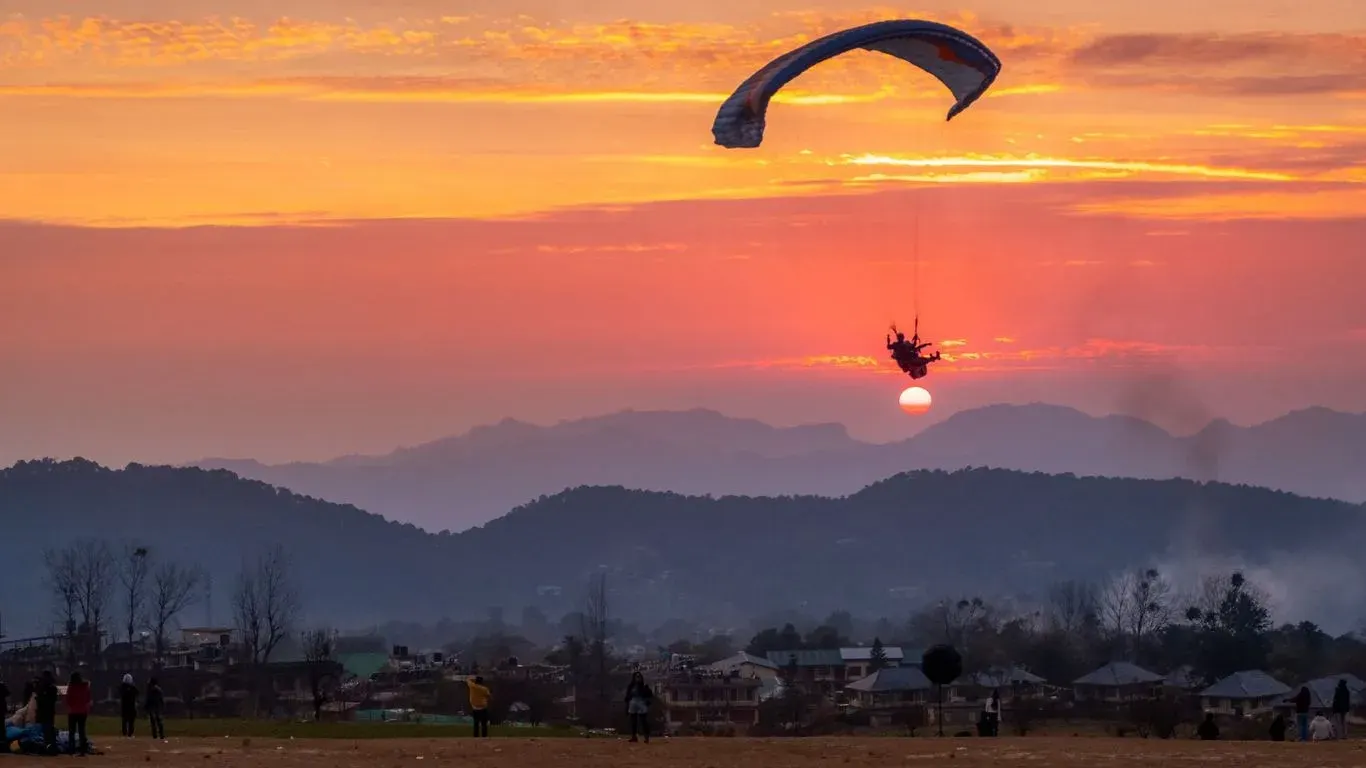
Plan the rest of your trip
Travel details and local guides for the next part of your journey.
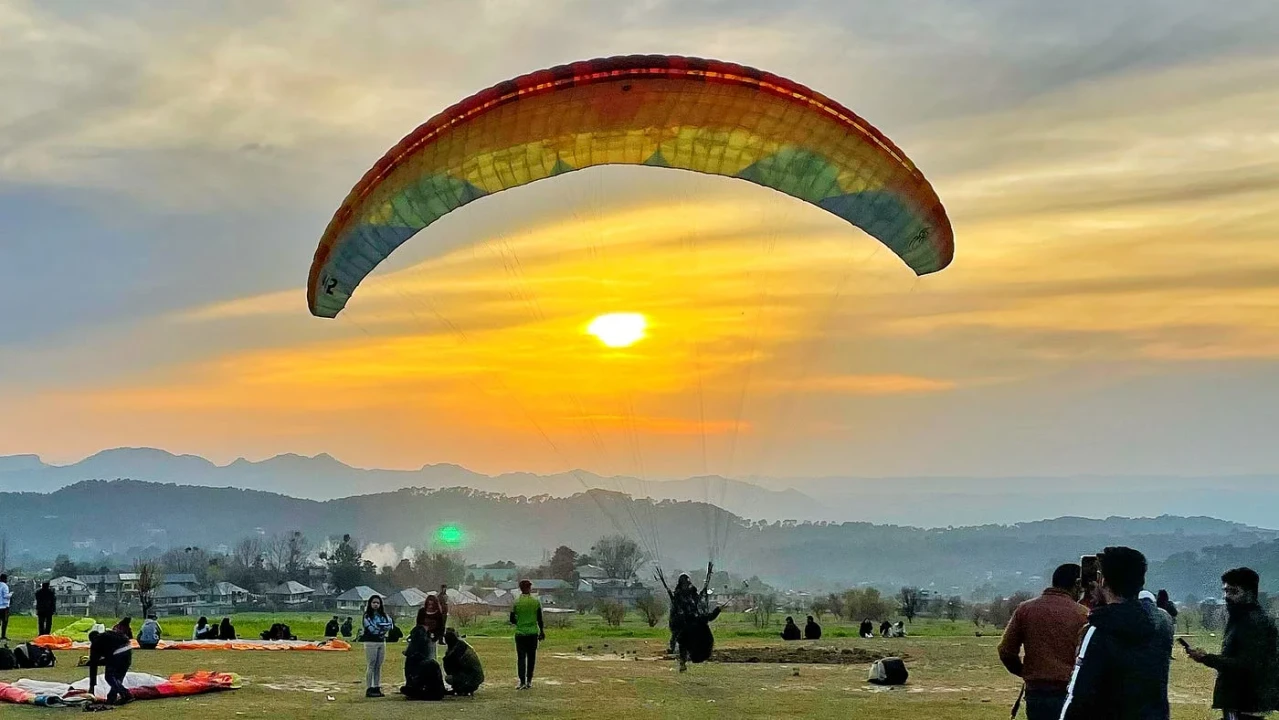
Things to Do in Bir in October 2026: Paragliding, Monasteries and Ektara
Fly from Billing on the first clear morning, then fill the rest with monasteries, tea gardens and Baijnath. Plus the quieter corners and what's on in October.
Festivals and annual events in the Dhauladhar, month by month
Losar, Tibetan opera in spring, the Dalai Lama's birthday on 6 July, Bir's flying season and DIFF in autumn. The Dhauladhar year, with fixed dates and moving programmes kept distinct.